


Almost all men experience urinary tract disease as a source of terrible discomfort, monotony and the inability to carry on with their personal lives normally.Many people are thinking about how to treat prostatitis, but not everyone decides to quickly "bring the problem to the people" and share the news of life with doctors.

Before you secretly look up information online or ask close friends, remember that prostatitis is an individual disease and therefore requires careful and meticulous treatment.You should not think that such male problems are inherent only to misfits with uncivilized lifestyles or those who have forgotten their "sexual victories."
Some infectious types of prostatitis:
- Bacterial.This type of infectious prostatitis occurs due to the active action of bacteria in the body: Escherichia coli, Staphylococcus, Pseudomonas aeruginosa and Streptococcus.These microorganisms can enter the prostate directly or from other organs through the blood or lymph fluid.
- Viral.The cause is the activation of cytomegalovirus, herpesvirus, and human papillomavirus, which threaten not only the prostate but also other organs.
- Mycoplasma.They are caused by intracellular organisms called mycoplasmas, which also cause other inflammations of the genitourinary system.
- Trichomonas.It is caused by the protozoan Trichomonas in men.
- gonorrhea.This type of pathogen, Neisseria gonorrhoeae, can also cause prostatitis at any age.
- Chlamydia.In men, this is the most common type and is caused by the intracellular organism chlamydia.
- Tuberculous.Koch bacteria found in the prostate most often migrate from other organs, suggesting severe disease in men with TB.
- fungi.This is most likely non-infectious prostatitis, as it is caused by the person's own microbiome, Candida, which is activated when the body's overall immunity is reduced or due to uncontrolled use of antibiotics.
- Mixed.The prostate is affected by two or more infections, but fortunately they are rarely registered because it is very difficult to completely cure this type of prostatitis.
What does medicine offer?
Treatment of prostatitis involves the process of eliminating inflammation or congestion in the prostate.This is true, but it must be understood that successful treatment can only be achieved by eliminating the cause of its occurrence.So how do men correctly treat prostatitis?
For treatment in the best clinics in sanatoriums, outpatient clinics or hospitals, you always need to start with a diagnosis to determine the cause of male problems.It is necessary to determine the cause of pain in the waist and lower abdomen through a urethral smear, as well as whether there is infection or bacteria in the prostate.If an infectious bacterial cause is present, antibiotic treatment is required.The exact timing of each specific case varies from person to person and depends on the extent of the infection in the body.
Prostatitis in 25-year-olds is most commonly caused by systemic hypothermia.In order to pursue fashion, young men from the transition period wear things that are "incredibly beautiful" but not warm (jeans).Therefore, in this case, antibiotic treatment is required but will not be that severe.
Stress factors that trigger prostatitis must be treated by a neurologist.Electrophoresis, relaxing massage and vitamin therapy are most commonly used.
Important!If the cause of prostatitis is not eliminated, any treatment may not only be useless, but also dangerous.
Basic treatment plan

Prostate disease is very dangerous, so only a doctor should prescribe treatment.
What is the most effective way to treat prostatitis?The most common methods are described below:
- Antibacterial drugs.They are effective only if the prostatitis is contagious.
- Alpha adrenergic blockers.They affect the smooth muscle of the prostate muscle, thereby promoting its rapid recovery.
- Hormone agents.They help in quickly relieving hormonal imbalances in the male body.
- Muscle relaxants.Relieves tension in the striated muscles of the prostate.
- Herbal medicine.They are based on medicinal plant components and are used as an adjuvant in the treatment of prostatitis.
- Physical therapy methods.
- Popular folk remedies.
- Surgical intervention.Prescribe only if none of the above methods are effective.
problem solving methods
Laser therapy or prostatitis laser treatment is used to treat subacute and chronic forms of prostate disease.This strengthens the male body's defenses and heals the acini.The bladder must be partially full before surgery.
For chronic prostatitis, laser is often used along with medications.It is effective for severe prostatitis without obvious symptoms.Men can experience improvement after the first course of laser surgery.
Indications for laser use:
- Congestive and bacterial chronic prostatitis;
- genitourinary tract infections;
- Mating dysfunction and reciprocal infertility, identified as a result of prostatitis;
- Autonomic prostatopathy and prostatitis with prostatic adenoma;
- Urethral stricture.
A new approach to prostate treatment - the prostatitis patch (see link for details!).This urinary navel patch is made in China according to an ancient recipe and contains herbal extracts (tincture of safflower, cinnamon, Asian plantain, safflower, two-toothed gemstone, corydalis and Borneo camphor).
This complex has a strong stimulating effect on the prostate of both 19-year-old boys and mature men, increasing blood circulation and reducing inflammation.Its use effectively relieves pain in the scrotum and perineum, stops the development of edema and improves the urinary process.Of course, non-specific prostatitis cannot be treated with the patch alone.Additional antibiotic treatment is required.
Chinese therapists call it the "Real Man Patch" and believe it is the way to treat prostatitis at home and get rid of the disease in just a few months, as the therapeutic effects of one patch last for at least three days.Some experts are somewhat skeptical of the claims of their Chinese colleagues and have not promised a clear answer on whether prostatitis can be completely cured with a patch.The question remains open.
Antibiotic treatment of prostatitis
When an infection is detected, doctors prescribe medications that are sensitive to certain microorganisms.It should be remembered that not all antibiotics penetrate prostate tissue, which can sometimes complicate the healing process.
If the infection is not completely eliminated, the disease may return.
Antibiotic group for treating prostatitis:
- Fluoroquinolones;
- macrolides;
- Cephalosporins (third generation);
- penicillin group;
- tetracycline.
The course of treatment should last at least 4-8 weeks.Each drug is prescribed only by a doctor after examining the patient.
When the opening of the sphincter is compromised, it can be treated with alpha-blockers.It is necessary to treat smooth muscle spasms quickly so that men can increase their urination rate and reduce the pressure of urine on the bladder wall.The course of treatment is at least 1.5-2 months.
Can prostatitis be cured with hormone therapy?In their one-time use - no.They are only effective when combined with other surgeries, helping to normalize hormone levels in a man's body and reduce the number of glands in the prostate tissue so that inflammation becomes less severe.
physical therapy methods
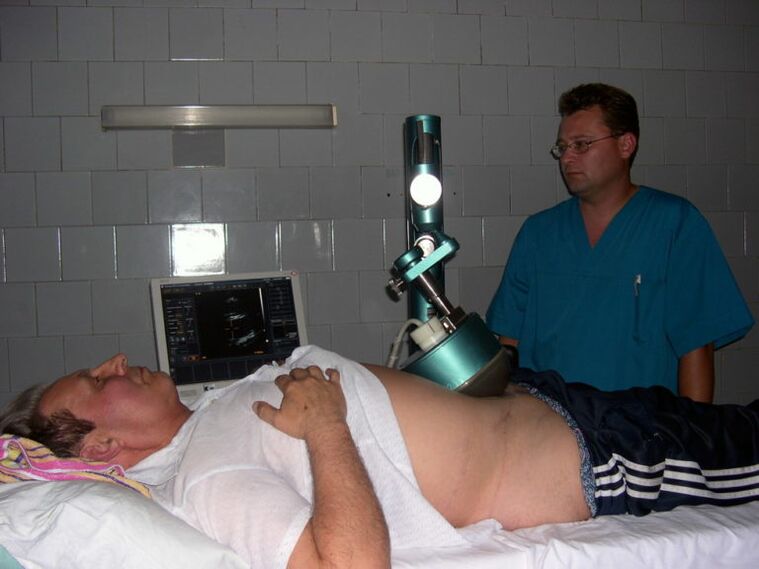
Physical therapy is an excellent complementary approach to combating this disease.
Physical therapy methods that can be used to treat the pathology include:
- Massage the prostate directly;
- Strengthen (relax) pelvic muscles;
- Effects on trigger points (myofascial trigger points);
- acupuncture;
- Neuromodulation therapy.
Shouldn't we be catching leeches?
The use of leeches to treat prostatitis is now having a renaissance.To treat prostate problems with leech therapy, you need knowledge and good qualifications from your doctor.Leeches should not be placed on certain areas of the skin - in inflamed areas and where the skin is too thin, there is a risk of prolonged bleeding.
The "blood-sucking bugs" used to treat prostatitis are placed on the anus in an "X" pattern, where the center of the letter is the anus and the ends are leeches.Another option is to stick leeches on both sides of the perineal suture and move it back 2 cm.Typically no more than 4 leeches are trained at a time and the entire course lasts 4-5 days with a mandatory rest period of about a week.
How do people treat prostatitis?
Men have prostate problems all the time.Don’t think this is a “disease of the 21st century.”How to diagnose prostatitis has been known since ancient times.All traditional treatments can be combined with basic methods as well as prevention in men's youth.The most popular remedies are propolis, parsley, pumpkin seeds and red root.
surgical intervention
Prostatitis surgery is only necessary when absolutely necessary.In other cases, doctors try to avoid surgical intervention in such a delicate area.
This action is only prescribed under certain circumstances:
- Urethral obstruction occurs when the urethra narrows.At the same time, it becomes impossible to move forward "bit by bit" and the only way out is surgical intervention.In most cases, phimosis worsens the obstruction when the glans penis becomes difficult to open.
- Prostatic abscess drainage.If pus accumulates in the prostate tissue, it needs to be removed from there and the cavity flushed.All operations are performed using special needles.
- Recovery occurs when the seminal vesicles lose their function due to inflammation, making it difficult to clear prostate secretions.
- Partial or complete removal of the prostate.Necessary for the development of sclerosing changes in the prostate or adenoma.Treatment is only given if all methods fail to produce a positive result.
exercise
Prostatitis can be cured with a comprehensive approach, including the use of simple physical exercises, as it is related to congestion.It is necessary to increase the blood supply to the prostate and its oxygen supply.To do this, you need to perform a series of exercises that increase blood flow to your muscles.
it works:
- walk;
- jogging;
- squat;
- abdominal exercises
The well-known "Birch" exercise can be easily done at home, several times a day.
massage
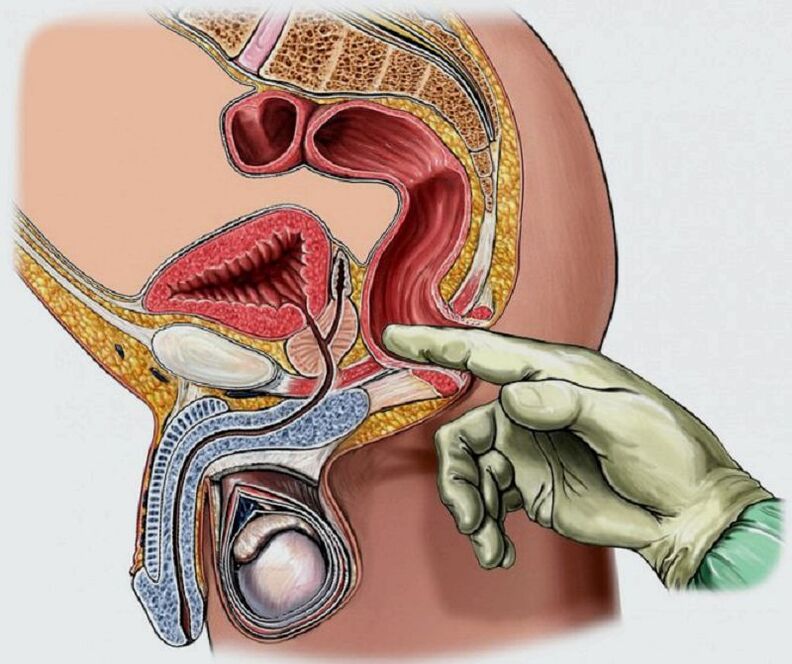
A combination of medication and prostate massage can achieve good therapeutic results.
A method based on mechanical action on body tissue using the hands or special devices.The essence of this process is that receptors in the skin and muscles sense stimuli and transmit them to the central nervous system.As a result, the tone of the central nervous system increases, through which it positively affects the activity of all physiological systems.
Precautions during treatment
Contraindications of prostatitis must be considered when choosing any treatment method.
- In the acute form, analysis of prostate secretions cannot be performed due to severe pain; for some men, this procedure may cause painful shock.You should not undergo any physical therapy procedures (massage, warming, etc.).
- You should never drink alcohol or smoke as this can lead to impaired venous circulation and irritation of the prostate.Proper nutrition is key to prostate health, so you should avoid soda, energy drinks, smoked foods, spicy and fatty foods.
- Massage is not performed in cases of acute and bacterial prostatitis, malignant tumors in the prostate area, the presence of stones and urinary problems.In addition, people suffering from hemorrhoids, proctitis, pararectitis, adenoma and certain urinary system diseases should not receive massage.
- If you suffer from chronic prostatitis, you cannot perform mud therapy, sunbathing, or water therapy, as it will cause the body to overheat or become hypothermic.
Finally, an equally important question – where to treat prostatitis?It can only be performed in specialized clinics under the supervision of a doctor.Some surgeries can be performed at home, but only with your doctor's approval.Remember, a healthy prostate means comfort for the man, a peaceful intimate life for the family, and strong offspring.